


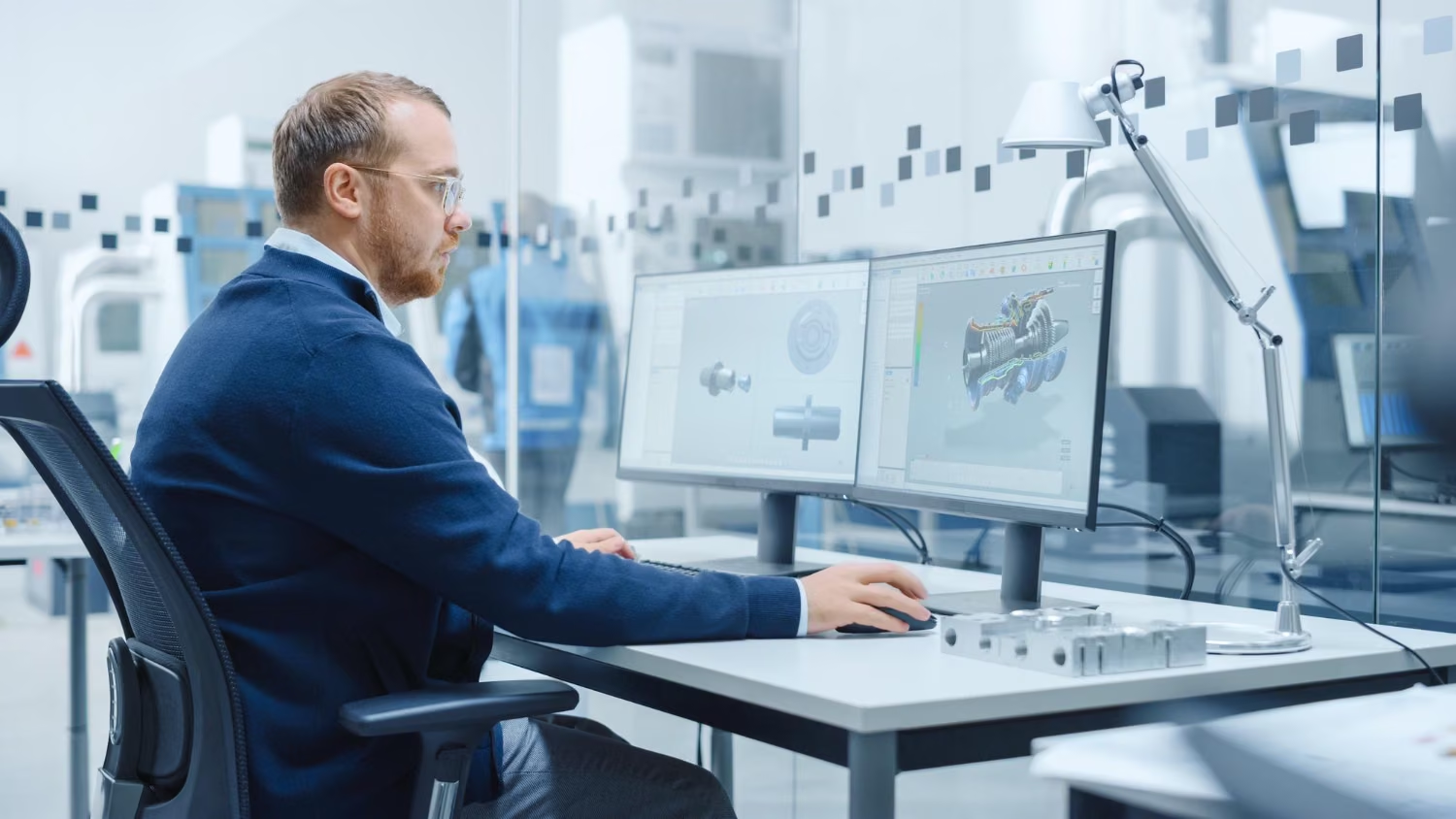
A digital twin is a virtual representation of a physical object, system or process, linked to data about its real counterpart. The update frequency and level of detail depend on the application. It supports simulation, monitoring and optimisation without first changing the physical equipment.
How does a digital twin work?
A digital twin combines a virtual model with information from the physical asset. It may use technologies such as the Internet of Things (IoT), artificial intelligence (AI), cloud computing and data analytics. These tools help teams monitor and analyse physical objects and test proposed changes before implementing them.
Three layers help explain how a digital twin operates:
- The physical layer: the actual asset, such as a machine, production line or electronic product, which generates data and is analysed.
- The digital layer: the virtual representation, which may include a 3D model, a dynamic mathematical model or an analytical system.
- The integration or communication layer: the connections and data-processing systems that turn information from the physical asset into useful input for the model, analysts and engineers.
Key technologies and stages
- Data collection and integration
Sensors collect information such as temperature, vibration, energy consumption and production parameters. The data is sent to cloud or local computing systems. - Creating the digital model
The model is developed to represent the relevant behaviour of the real object. It may use machine-learning algorithms to estimate future states, provided suitable data and validation are available. - Analysis and simulation
The twin analyses operational data and supports different scenarios. Engineers can explore process changes or assess possible equipment failures using historical trends. - Optimisation and prediction
Analysis can inform recommendations such as maintenance, machine-setting adjustments or changes intended to reduce production costs. - Interaction and control
A digital twin may support remote management of the physical asset. It also allows ideas to be explored in simulation before physical trials, reducing some risks while still requiring real-world validation.
In electronics manufacturing, digital twins can support process optimisation and assessment of designs before implementation. Potential applications include:
- simulating production conditions and assessing equipment-failure risks,
- evaluating component-assembly configurations before production,
- analysing material use and costs,
- identifying possible design issues that could affect final product quality.
These applications can improve operational decisions and reduce development time, depending on the model's scope, accuracy and data quality.
Digital twins in electronics and production
Digital twins can help electronics manufacturers plan, test and monitor aspects of the product life cycle, from design to use. A useful model represents the physical behaviours relevant to the decision being made.
1. How can digital twins improve electronics production?
Electronics manufacturing involves complex processes and careful management of quality and efficiency. Digital modelling can support:
- Shorter design and test cycles: simulations of PCBs and electronic devices can help identify issues such as excessive component temperatures or electromagnetic interference before physical assembly.
- Assembly-process optimisation: production data can inform adjustments to surface-mount technology (SMT) soldering parameters or changes to component placement and board design.
- Earlier defect identification: analytics can help identify conditions associated with production defects so teams can address them before release.
- Product-life-cycle management: operational data from deployed devices can help assess behaviour and identify trends associated with failure.
Related reading: Technology trends for 2025
Potential benefits of implementing a digital twin
a) Production-process optimisation
A digital twin can support continuing analysis of production processes. An electronics manufacturer such as Techbit could use a suitably developed model to:
- Reduce production defects by simulating relevant conditions and identifying possible errors,
- Reduce material costs through better planning of resource consumption,
- Improve SMT and through-hole technology (THT) equipment utilisation by evaluating and, where validated, adjusting operating parameters.
b) Shorter time to market
Engineers can compare design variants before physical production. This can support:
- faster prototyping,
- fewer avoidable design iterations,
- identification of possible errors before volume production.
Predictive maintenance: monitoring machine condition can help identify anomalies before they develop into failures. Potential benefits include:
- avoiding some costly stoppages,
- planning maintenance around condition data alongside applicable maintenance requirements,
- supporting longer equipment life through timely intervention.
Quality and conformity: a suitably validated model can support:
- detailed analysis of device operating parameters,
- assessment of production settings against quality requirements,
- identification of potential issues before series production.
Testing new technologies before physical implementation
A digital twin allows teams to explore new assembly methods or components in a virtual environment. It can reduce the cost and disruption of early trials, but does not eliminate modelling errors, financial risk or the need for physical validation.
Implementation also brings challenges, particularly cost. Developing a useful digital twin may require:
- integration of sensors providing operational data,
- analytical software and, where useful, AI methods,
- additional IT infrastructure, including local or cloud computing.
The initial investment can be significant, particularly for smaller businesses.
Many organisations therefore introduce digital-twin capabilities gradually and connect them to existing systems rather than attempting a complete implementation immediately.
Why are digital twins relevant to connected manufacturing?
Digital twins are part of industrial digitalisation and are associated with Industry 4.0. Combining IoT, AI, large-scale data analysis and cloud computing can help companies improve processes, manage costs and assess production quality.
In electronics manufacturing, where precision and efficiency matter, a digital twin can support process modelling, equipment monitoring and fault analysis. Its value depends on a clearly defined use case and a model validated against the real system.