



At Techbit, we have developed a structured way to tackle production challenges. Rather than repeatedly responding to emergencies, we use the A3 report to guide problem solving. It helps us organise root-cause analysis and develop lasting solutions. Collaboration and careful analysis matter just as much to our team as the final result.
What is an A3 report?
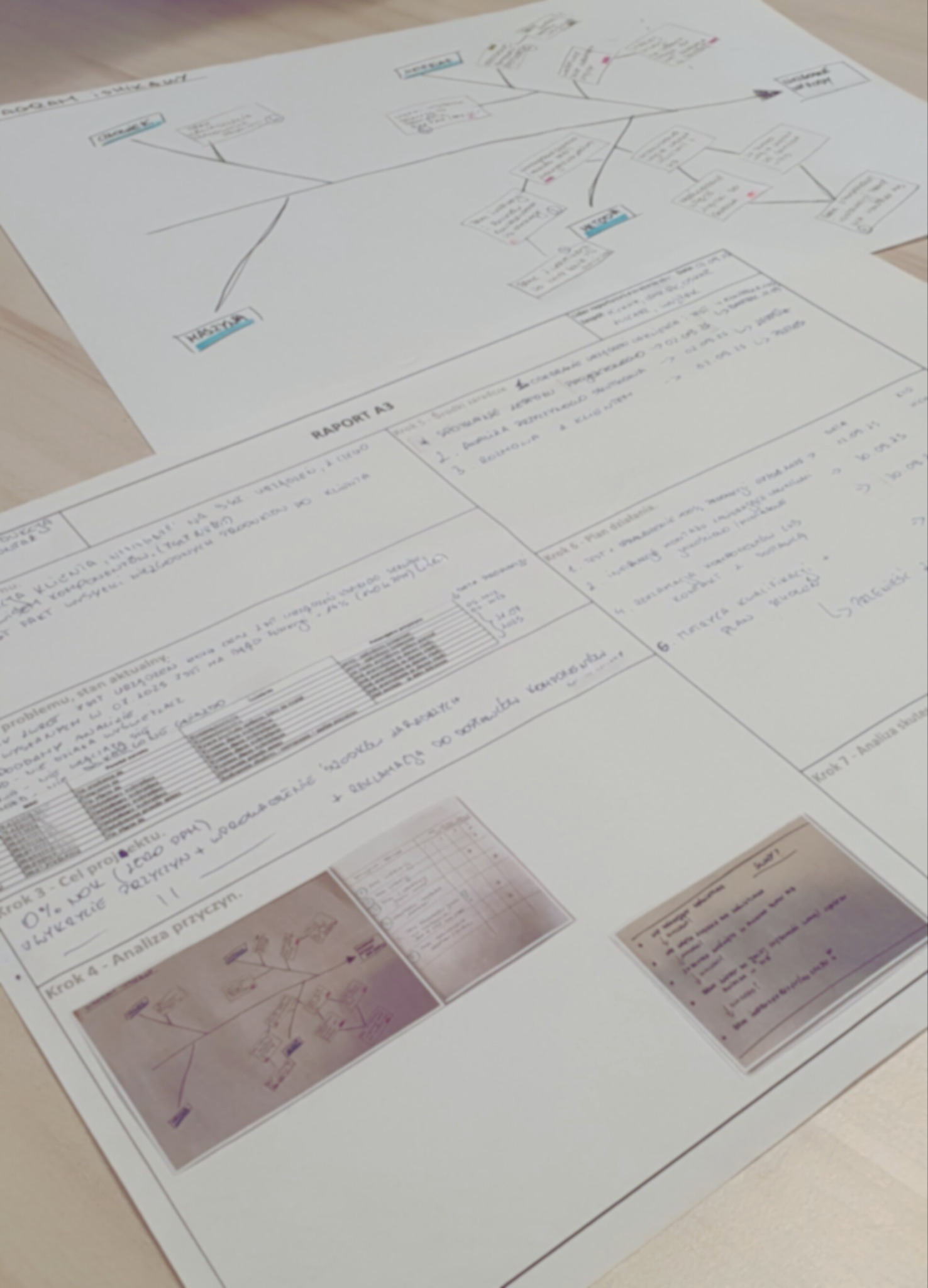
An A3 report is a single-page document covering the entire problem-solving cycle: identifying the issue, analysing it, implementing a solution and checking the result. Its name comes from the standard A3 paper size, 297 × 420 mm, which provides enough space to bring the essential information together. This format makes the problem easier for the whole team to visualise, discuss and understand.
How the A3 process works at Techbit
Our team approaches problem solving deliberately and systematically, dividing the process into several key steps.
1. Understand the problem
The first and most important step is to define the problem accurately. Before proposing solutions, we establish what happened, why it matters and how it affects production. We collect data, examine performance indicators and document the current state. We usually bring together people who know the problem and can contribute to the analysis. We also involve colleagues from outside the affected process, because a fresh perspective can be useful.
2. Identify the root cause
We then use tools such as an Ishikawa fishbone diagram, including the 4M categories, or the 5 Whys to trace the problem to its root cause. This helps us address the source rather than treating the symptoms. The important point is to gather facts and data instead of relying on assumptions. Team brainstorming gives us a broad set of possible causes to investigate.
When needed, we also analyse machine statistics, automated optical inspection (AOI) data and production reports to identify the most likely cause.
3. Develop a solution
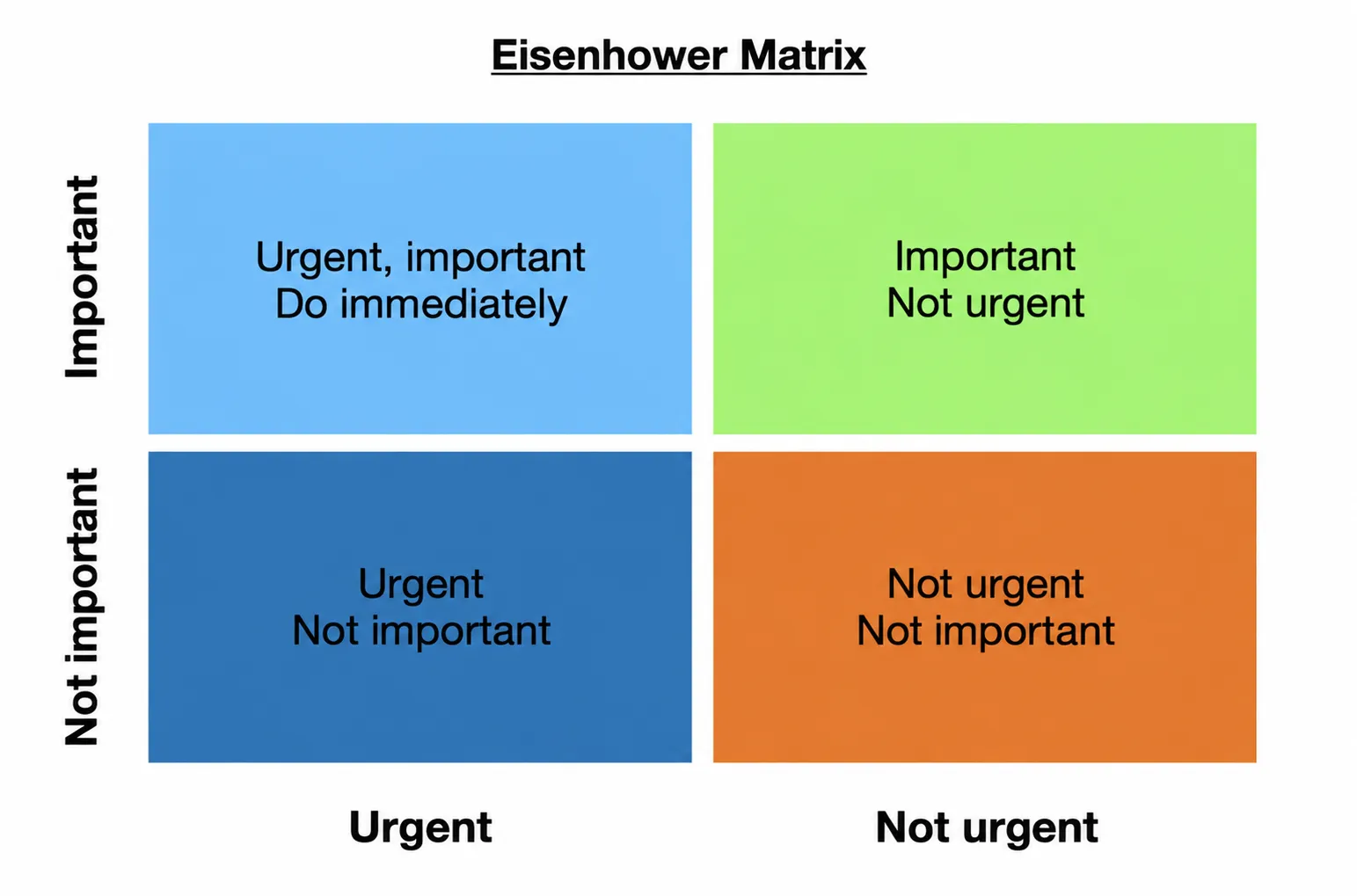
Once we understand the root cause, the team holds another brainstorming session to develop potential solutions. We assess each option for effectiveness, cost and feasibility, then document the most promising ideas in an action plan. If there are several actions to implement, we sometimes use an Eisenhower matrix to set priorities.
4. Implement and test
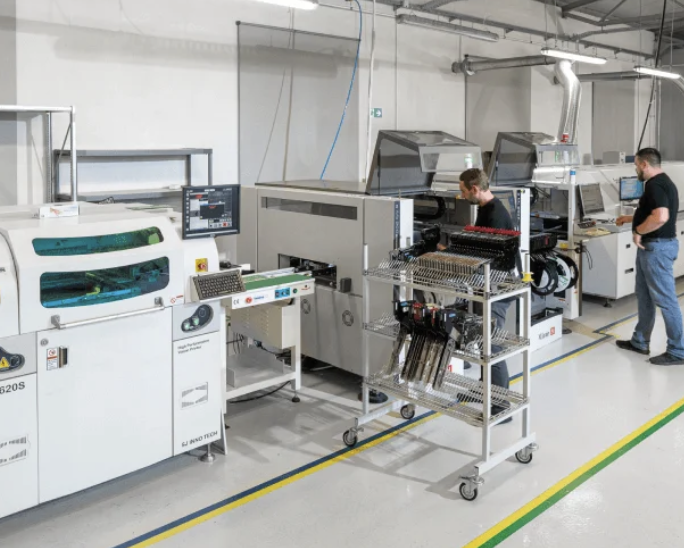
A solution has to work in practice. At Techbit, we often introduce changes through a small, controlled experiment. Pilot tests help us assess their effectiveness while limiting disruption to production. The data collected shows whether we are moving in the right direction. One example described in this article is testing new settings and camera power arrangements on a pick-and-place machine to improve detection of difficult components.
5. Verify and standardise
After implementation, we monitor the relevant indicators to check whether the problem has been resolved. If the results are satisfactory, we standardise the process and incorporate it into daily procedures. This reduces the risk of recurrence and keeps the knowledge within the organisation. Each successful solution becomes part of continuous improvement. Our team recognises that a process needs a clear standard before it can be improved consistently.
Conclusion
At Techbit, A3 problem solving is more than a sheet of paper. It is an approach based on transparency, collaboration and continuous improvement. We speak with the people involved, but assess the process rather than judging individuals. Problems become opportunities to learn and develop. This helps us resolve current issues while building a stronger foundation for future growth.