


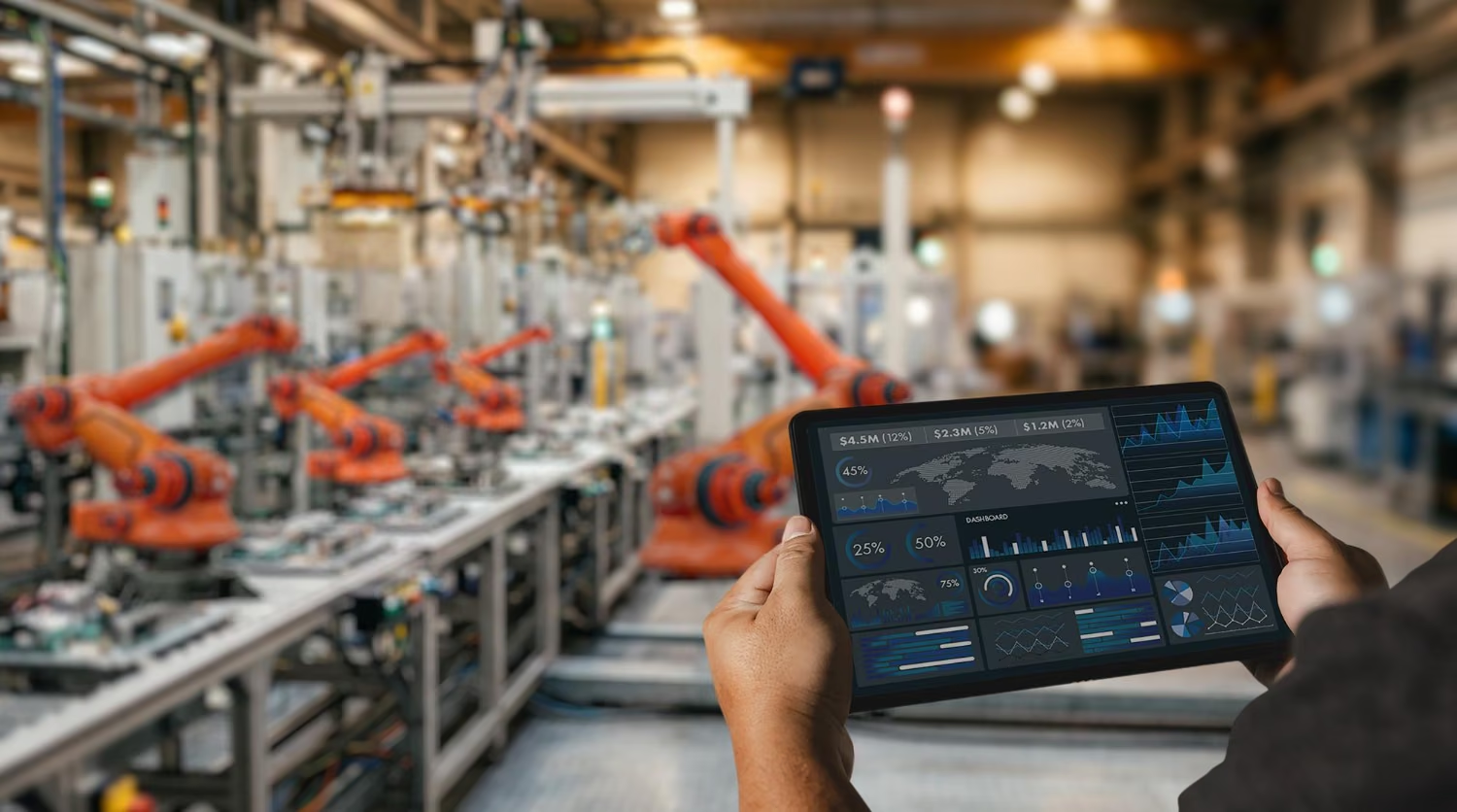
Industry 4.0 can support more efficient use of raw materials and energy. Connected monitoring and analysis help manufacturers identify improvement opportunities relevant to environmental performance.
Its applications extend beyond a single factory. Automotive, energy and electronics businesses can use connected technologies to improve coordination and respond to changing requirements. Benefits depend on selecting and implementing tools suited to the organisation.
What is Industry 4.0?
Industry 4.0 refers to the fourth industrial revolution. In manufacturing, it describes the integration of digital systems, automation and data analysis, linking physical production with digital information and control.
Core technologies include the Internet of Things (IoT), artificial intelligence (AI) and large-scale data analysis, often called big data. These tools enable machines, devices and systems to exchange information and support more automated decisions.
Suitable Industry 4.0 systems can make production more flexible and efficient. They can help businesses respond to demand, control costs and reduce process errors. Improved product consistency and lead times require validated processes and effective implementation.
Industry 4.0: technologies and principles
Industry 4.0 combines technologies that connect production equipment with useful operational information. Key examples include:
Production automation
Computer-controlled machines and robots carry out selected operations with limited manual intervention. Automation can improve repeatability and throughput. Programmable equipment can also be adapted to different products, subject to setup and validation.
Internet of Things (IoT)
Connected devices exchange operational data. In manufacturing, IoT supports machine monitoring, condition assessment and process optimisation. Sensors collect information at relevant production stages to inform decisions.
Artificial intelligence (AI)
AI methods can analyse large datasets to support demand forecasting, supply-chain planning and inspection. They can also identify patterns associated with equipment faults and help inform maintenance planning.
Big data and analytics
Connected production generates substantial data. Analysis turns this information into useful findings, such as process trends or changes in demand. It supports both operational improvements and longer-term planning.
Principles of Industry 4.0
- Interoperability: relevant devices, machines and systems need compatible interfaces and the ability to exchange information.
- Data transparency: process information should be available to the people and systems that need it, with appropriate access controls.
- Decentralisation: local systems may make defined decisions without waiting for a central controller, within validated operating limits.
- Flexibility: production arrangements can be adapted to changing requirements and specifications.
These principles help connect technology investments with improvements in efficiency and production responsiveness.
Production automation: how does it work and why does it matter?
Automation replaces selected manual tasks with equipment and software operating with limited intervention. It can improve precision, throughput and cost efficiency. Industry 4.0 connects traditional automation with data systems and operational analysis.
How does production automation work?
Automation combines hardware and software to perform repeatable tasks. Common elements include:
- Industrial robots: equipment used for operations such as assembly, welding or packaging.
- Sensors and measurement devices: monitor parameters such as temperature, pressure or product characteristics. Their information can trigger a defined response.
- Programmable logic controllers (PLCs): industrial controllers that operate machines using programmed logic and inputs from sensors.
For example, a sensor on an assembly line may detect a missing component and trigger an alarm, stop the process or initiate an approved corrective sequence.
Sensors provide information about changing conditions. A system may use these inputs to adjust speed to the load or identify product defects.
Robots can use vision and other sensing systems to perform tasks such as precise component handling or sorting products against defined criteria.
Automation is an important part of modern manufacturing. At companies such as Techbit, appropriate production equipment supports the assembly of qualified projects and repeatable batches.
How can a company prepare?
Industry 4.0 is already part of manufacturing practice. Introducing its technologies can be challenging, but also offers opportunities to improve production. The following steps help keep implementation manageable.
Understand your company's needs
Choose solutions around your business goals and the problems you need to solve.
- Review current processes to identify areas for improvement.
- Assess which tools, such as IoT, automation or data analysis, could bring the greatest practical benefit.
Introduce technologies gradually
Attempting to implement everything at once can create unnecessary complexity.
- Start with a small pilot to test the technology in your operating environment.
- Use data to assess the results and plan the next steps.
Preparation requires a clear objective, suitable investment and people able to operate and maintain the tools. Industry 4.0 offers opportunities when implementation addresses a defined need. Work with relevant specialists and confirm the manufacturing partner's role rather than assuming it covers the entire digital transformation.