


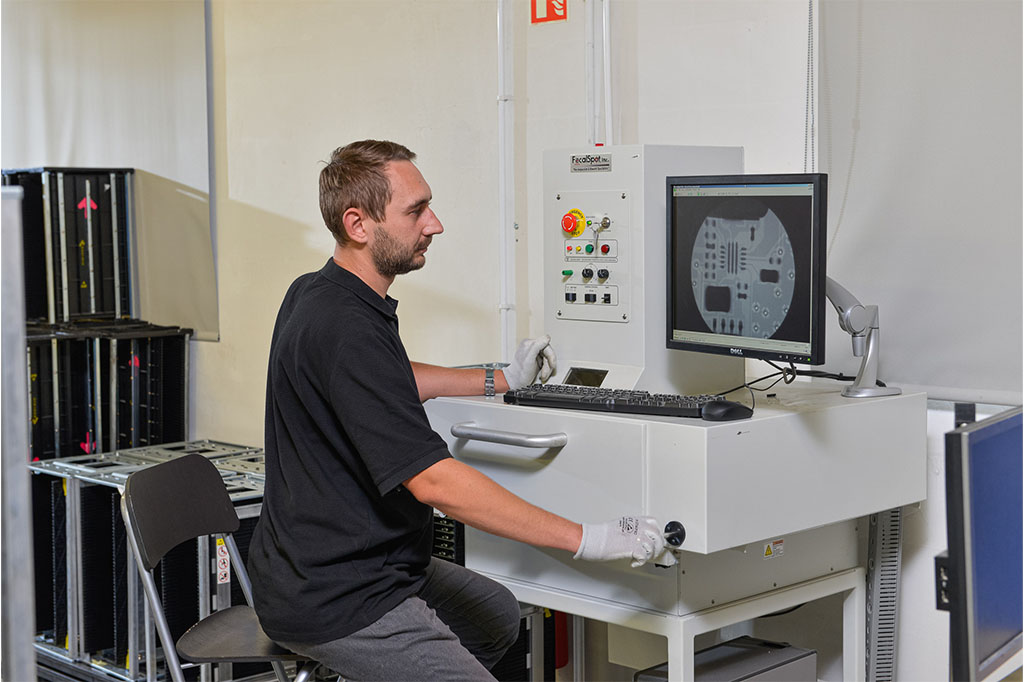
The OEM market connects businesses that need complex equipment with specialist suppliers of components and systems. This is particularly relevant in industries such as automotive and electronics, where a finished product contains parts from many manufacturers. What does OEM mean, and how do these relationships support electronics production?
What is an OEM?
OEM stands for original equipment manufacturer. The term is used differently across industries: it can refer to the company responsible for the branded finished equipment, or to a supplier producing original parts for another manufacturer's product. In electronics, these relationships can involve printed circuit boards (PCBs), components and replacement parts used by other businesses in their production.
What is a finished-product manufacturer?
A finished-product manufacturer needs components to build its devices. Buying from specialist suppliers lets it focus on activities such as computer development and assembly without also developing every component-manufacturing technology, such as semiconductor fabrication.
What is an OEM product?
An OEM product is equipment, a component or technology supplied for use in another company's product. Depending on the commercial arrangement, it may be integrated into a branded device or supplied as a finished product under that company's name.
How does OEM cooperation work?
A typical relationship connects a specialist component supplier with the company integrating that component into a finished product. A television manufacturer purchasing an OLED panel from a display specialist is an example of this model.
Examples of businesses using sourced components
OEM relationships form a broad commercial network across many industries. In electronics manufacturing, cooperation between specialist suppliers and final-device manufacturers is common. Many everyday devices combine parts made by different companies.
The following examples illustrate where such supply relationships occur, without specifying a current supplier agreement:
Toyota
An automotive manufacturer such as Toyota integrates purchased components into finished vehicles.
Dell
A computer manufacturer such as Dell uses sourced components, including storage devices, in its systems.
Lenovo
A computer manufacturer such as Lenovo integrates processors and other components into finished computers.
Philips
A branded electronics product such as a Philips television combines components and subsystems from specialist manufacturers.
Media Markt
Retailers such as Media Markt sell computers combining hardware with licensed software. This is a distribution and licensing relationship, rather than necessarily an OEM manufacturing relationship.
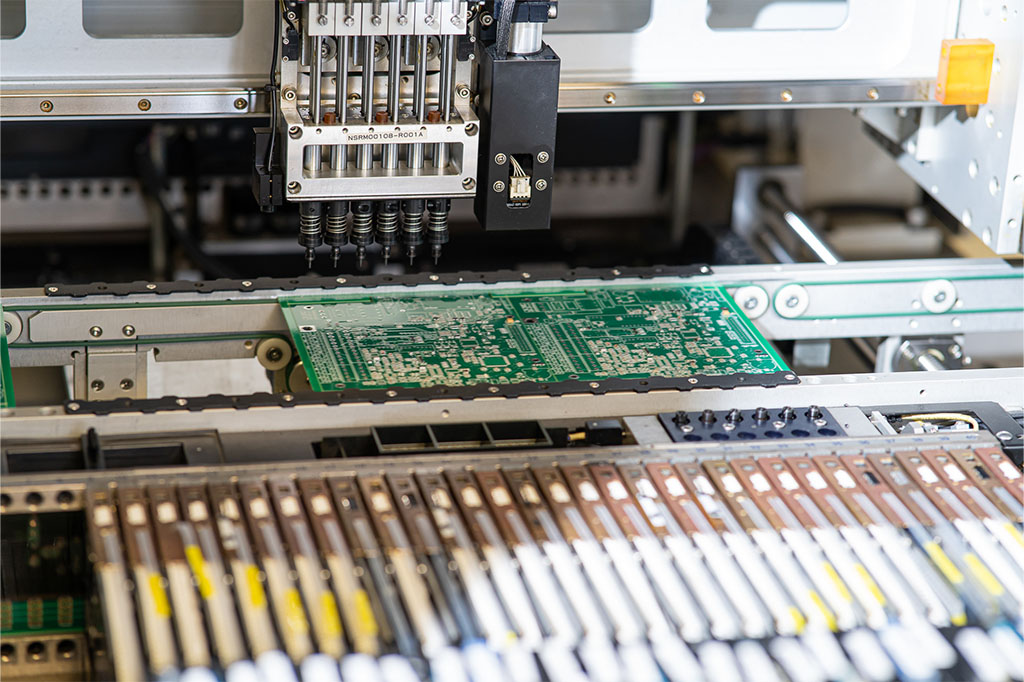
Benefits and drawbacks of OEM products
Technology development depends on specialisation, customer requirements, regulations and changing standards. Components also have defined product life cycles.
Working with a specialist supplier can offer a finished-product manufacturer benefits such as:
- Access to established component supply channels
- A shorter development cycle than producing every component in-house
- Access to specialised products without building the entire manufacturing capability
- Components qualified against the finished device's quality and reliability requirements
- Reduced production costs that may support a lower final price or improve project economics
There are also drawbacks:
The main risk is dependency. A manufacturer that cannot make a critical component itself depends on its supplier's availability, product life cycle and delivery performance. Shortages or discontinued parts can affect the final manufacturer's schedule and customer relationships. Alternative sources and a lifecycle plan help manage this risk.
Conclusion
Specialist component suppliers support both local manufacturers and international brands. Understanding their role helps you plan electronics production and manage dependencies. If you need support sourcing PCBs, components or alternatives, discuss your requirements with electronics manufacturer Techbit.